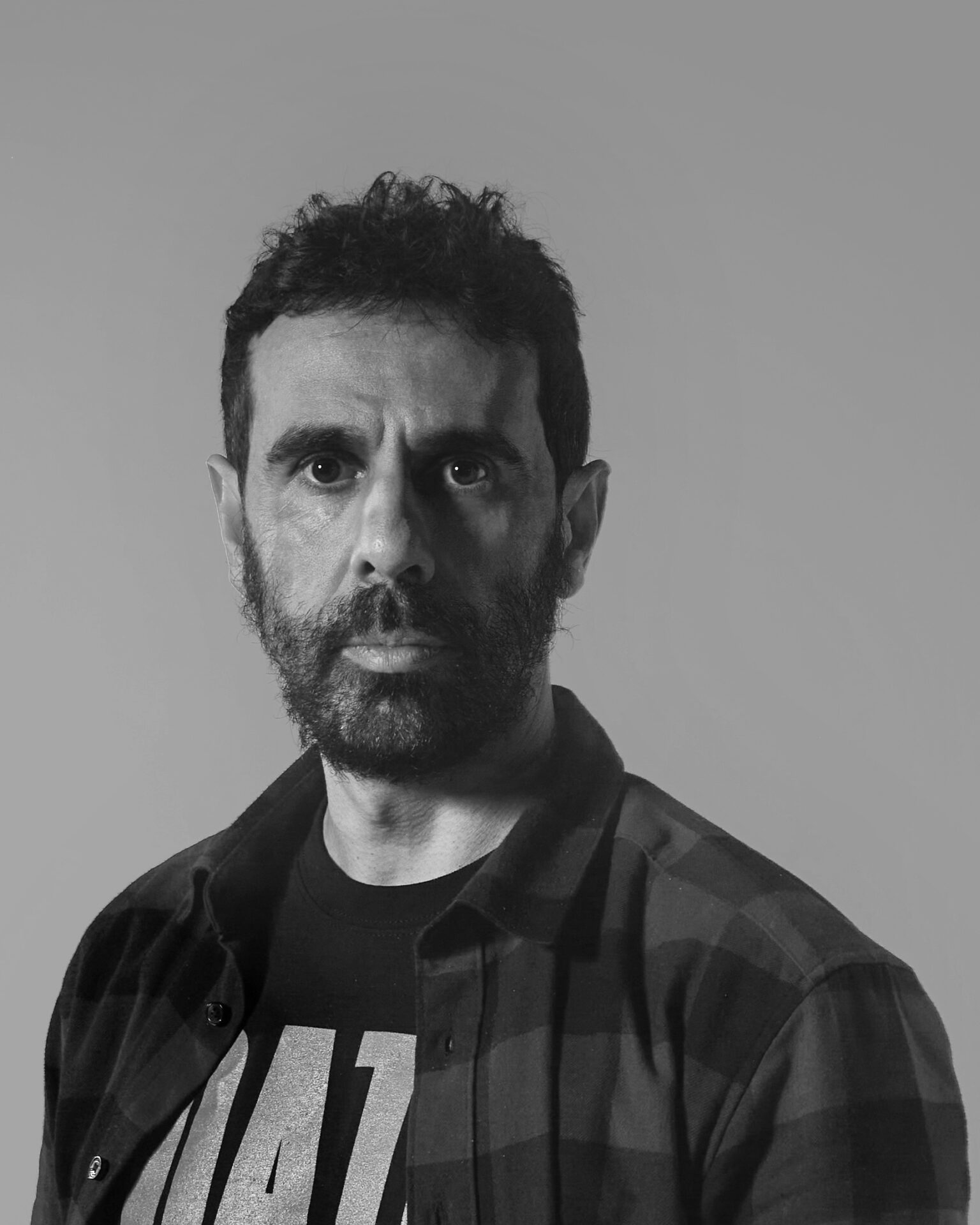
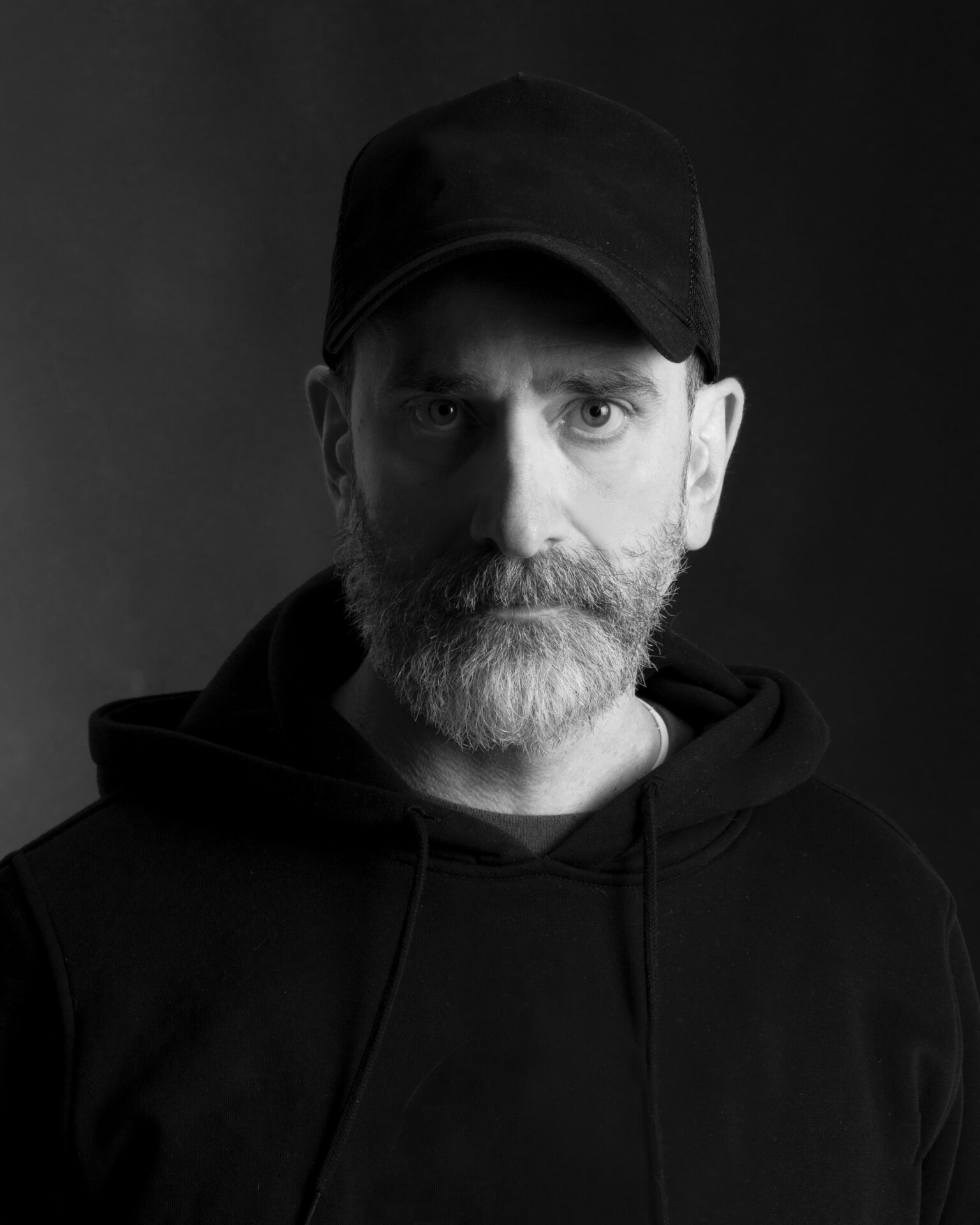
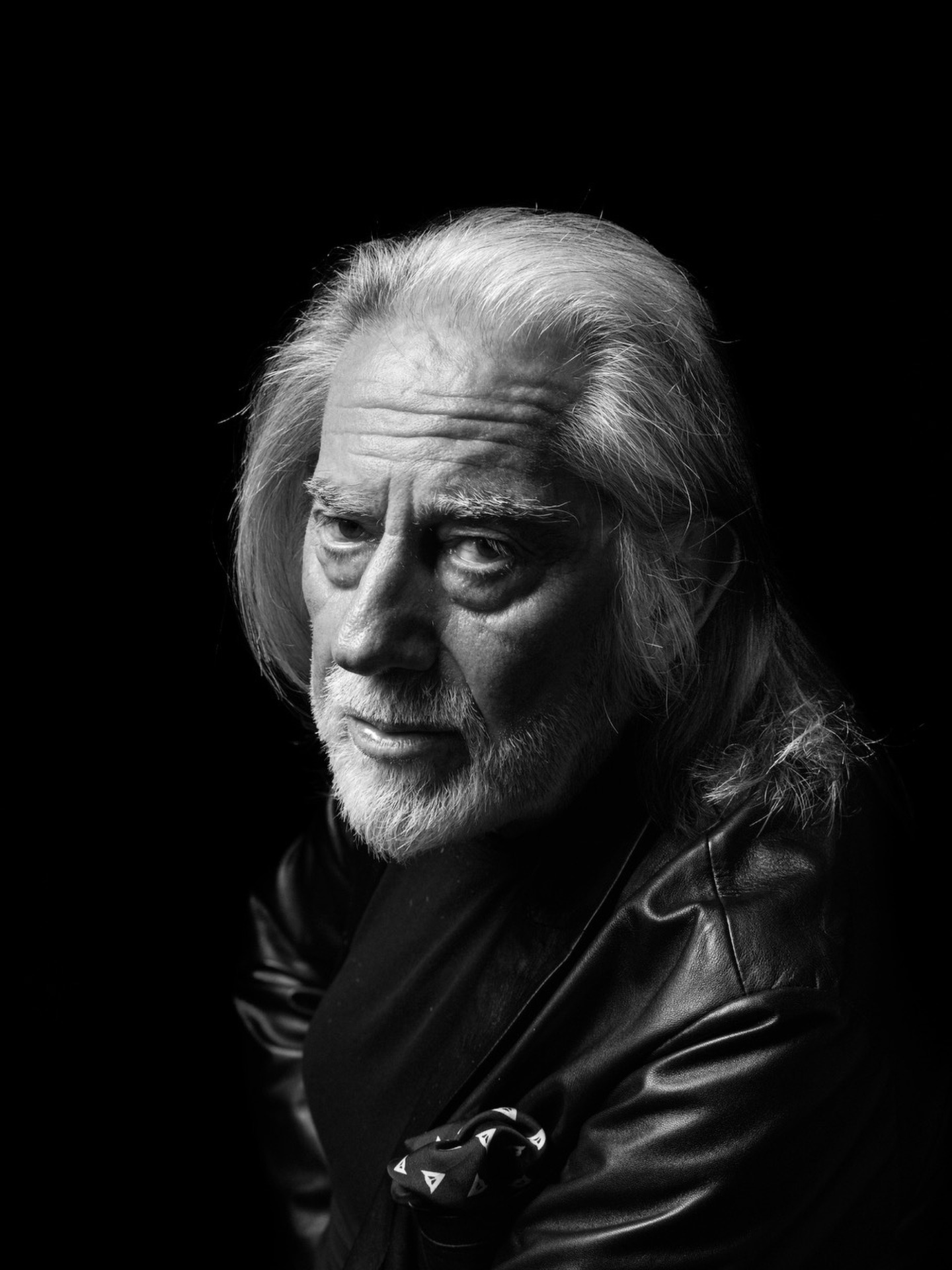
Fabrizio Plessi
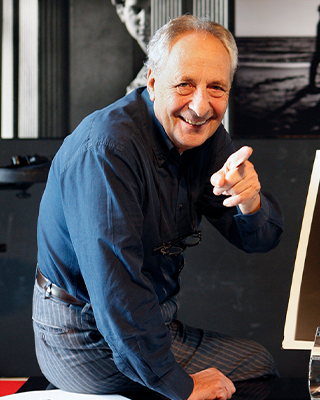
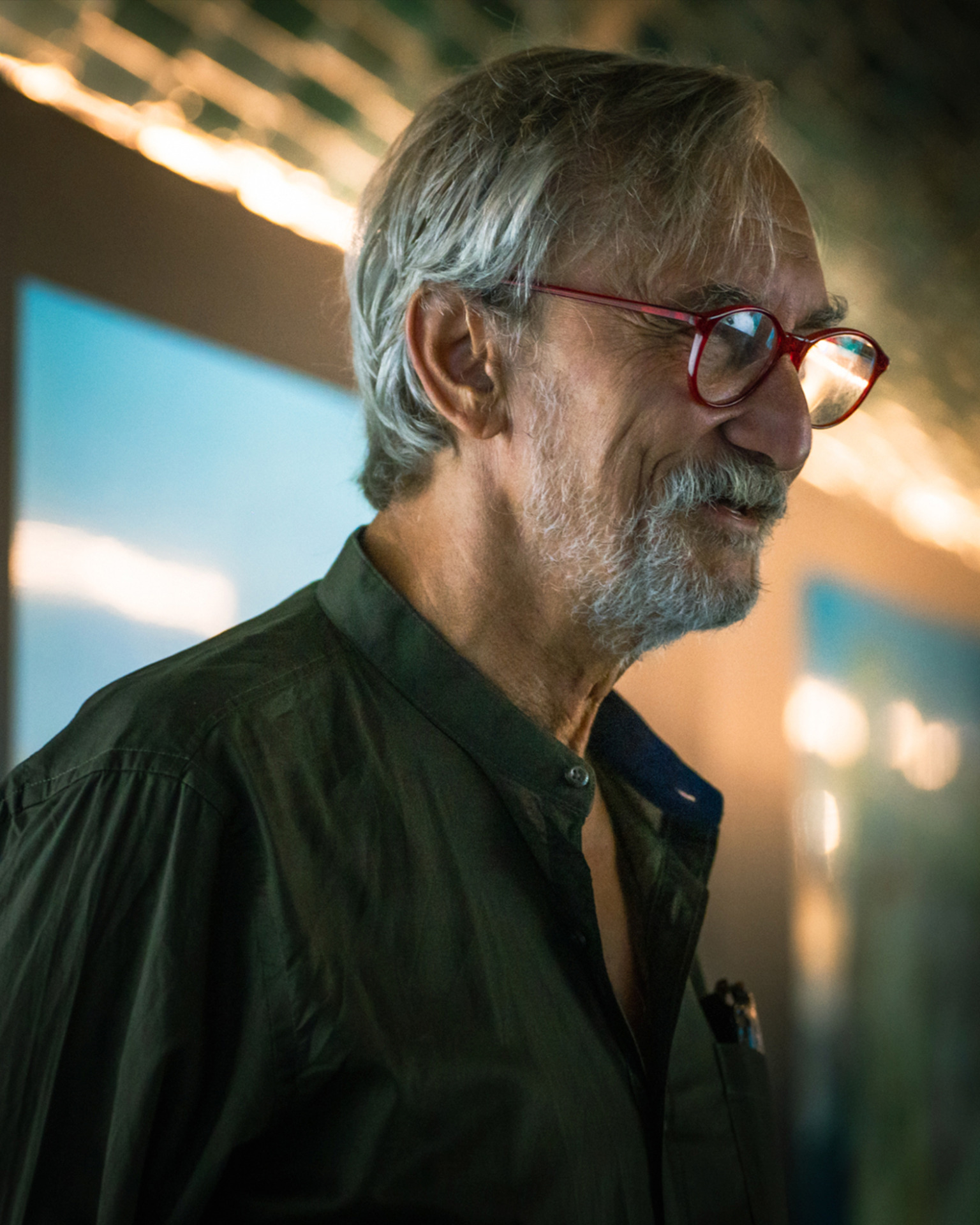
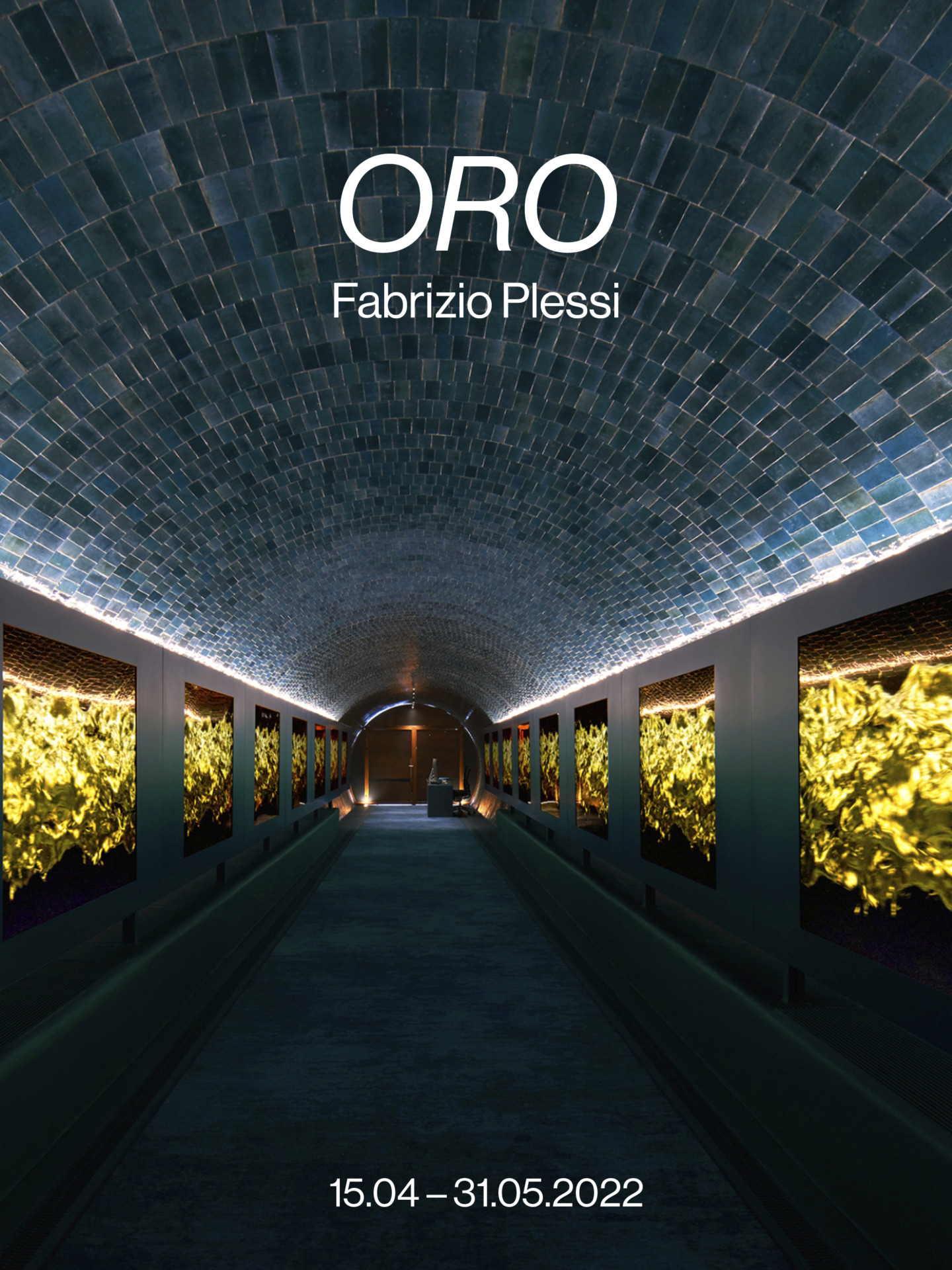
Born in Reggio Emilia in 1940, Fabrizio Plessi lived and worked between Venice and Palma de Mallorca. He was one of the pioneers of Italian video art and among the first artists to use the television monitor as an artistic medium, transforming water and fire into digital flows (his first video installation dates to 1974).
He regularly participated in the Venice Biennale from 1970 onwards, as well as in major international exhibitions such as Documenta in Kassel. His works combine video, architecture, and natural materials—including wood, iron, and marble—in a dialogue between technology and humanity. Alongside video, drawing remained a central and constant element of his artistic research.
His work has been exhibited at major museums around the world, including the Guggenheim Museum in New York and Bilbao, the Museum Ludwig, the Museum of Contemporary Art San Diego (MoCA), and the Fundació Joan Miró in Barcelona. He also created monumental installations such as Mare Verticale (Venice Biennale, 2005).
His site-specific projects for historic locations such as Piazza San Marco, the Valley of the Temples, and Palazzo Te are also widely acclaimed, as are his electronic stage designs for operas by Philip Glass and Michael Nyman.
Among his more recent works and projects are FenixDNA (Teatro La Fenice, 2017), The Soul of Stone (Pushkin Museum, 2018), his retrospective at the Museum of Palma de Mallorca (2019), and L’Età dell’Oro (Museo Correr, 2020). At the Brenner Pass, he conceived the Plessi Museum (2013), an avant-garde museum designed as a single, large-scale work of art.
He was Professor of the Humanization of Technology and Electronic Scenography at the Academy of Media Arts Cologne (Kunsthochschule für Medien Köln).