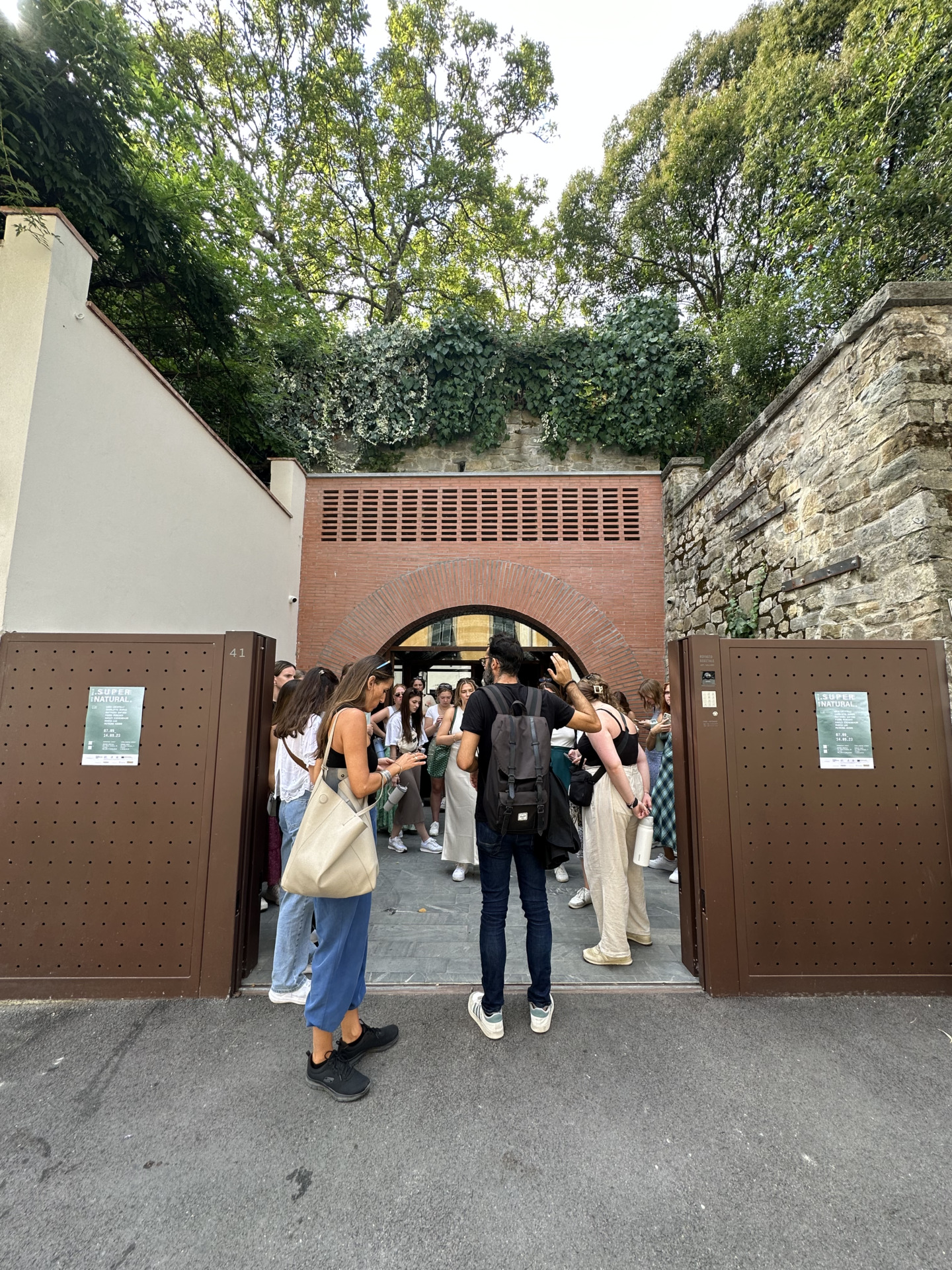
VIA DELLA FORNACE 41 50125 FIRENZE
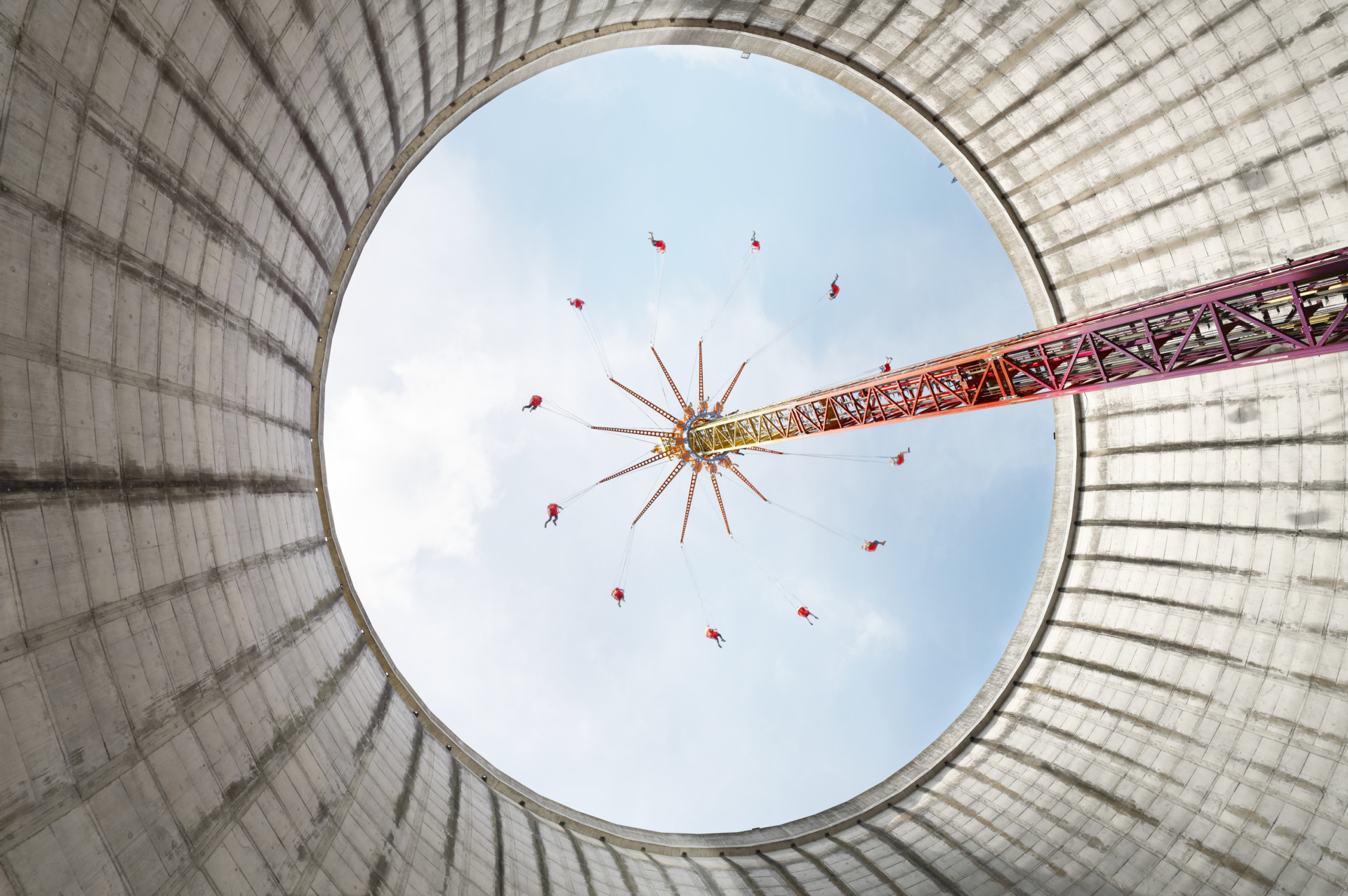
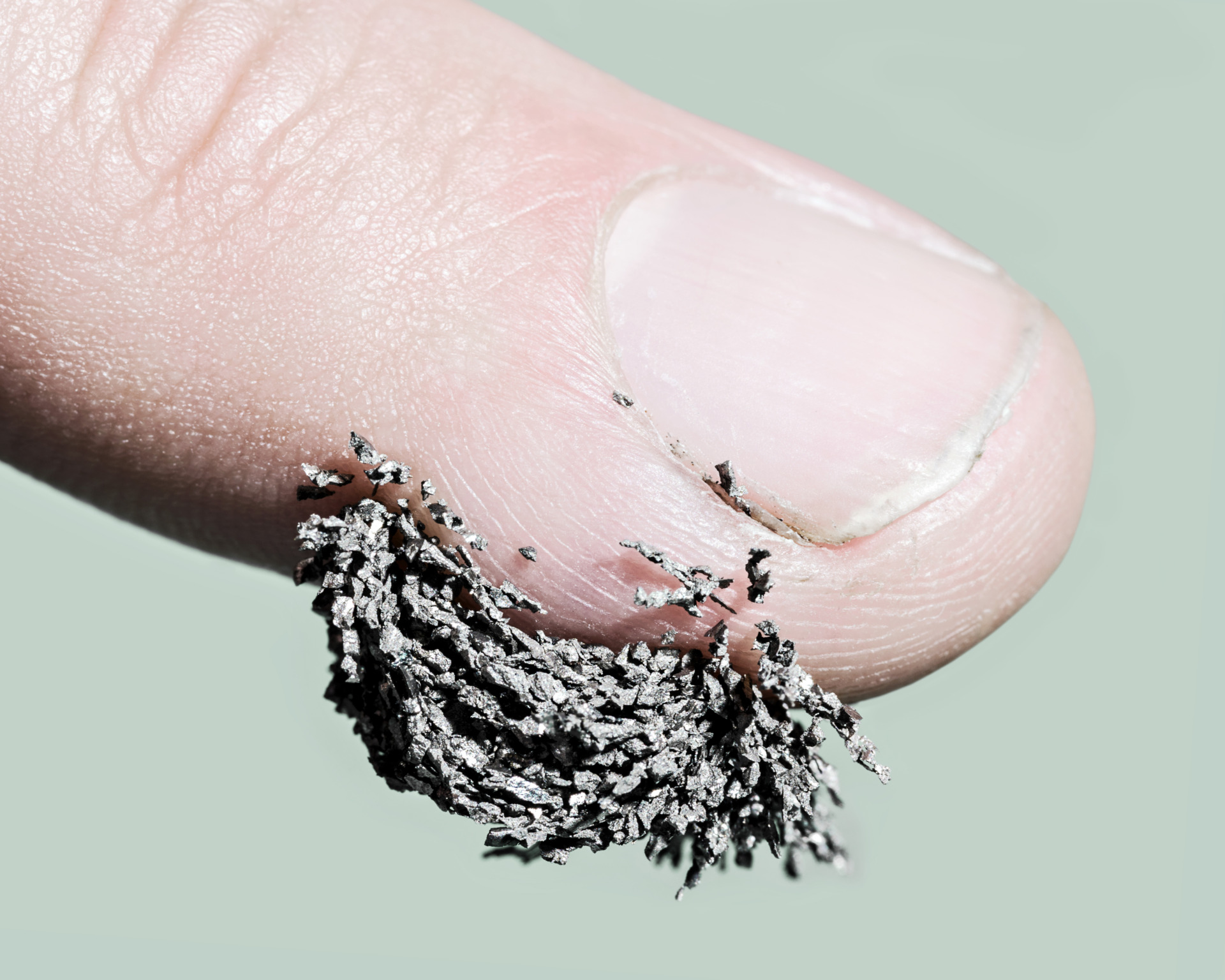
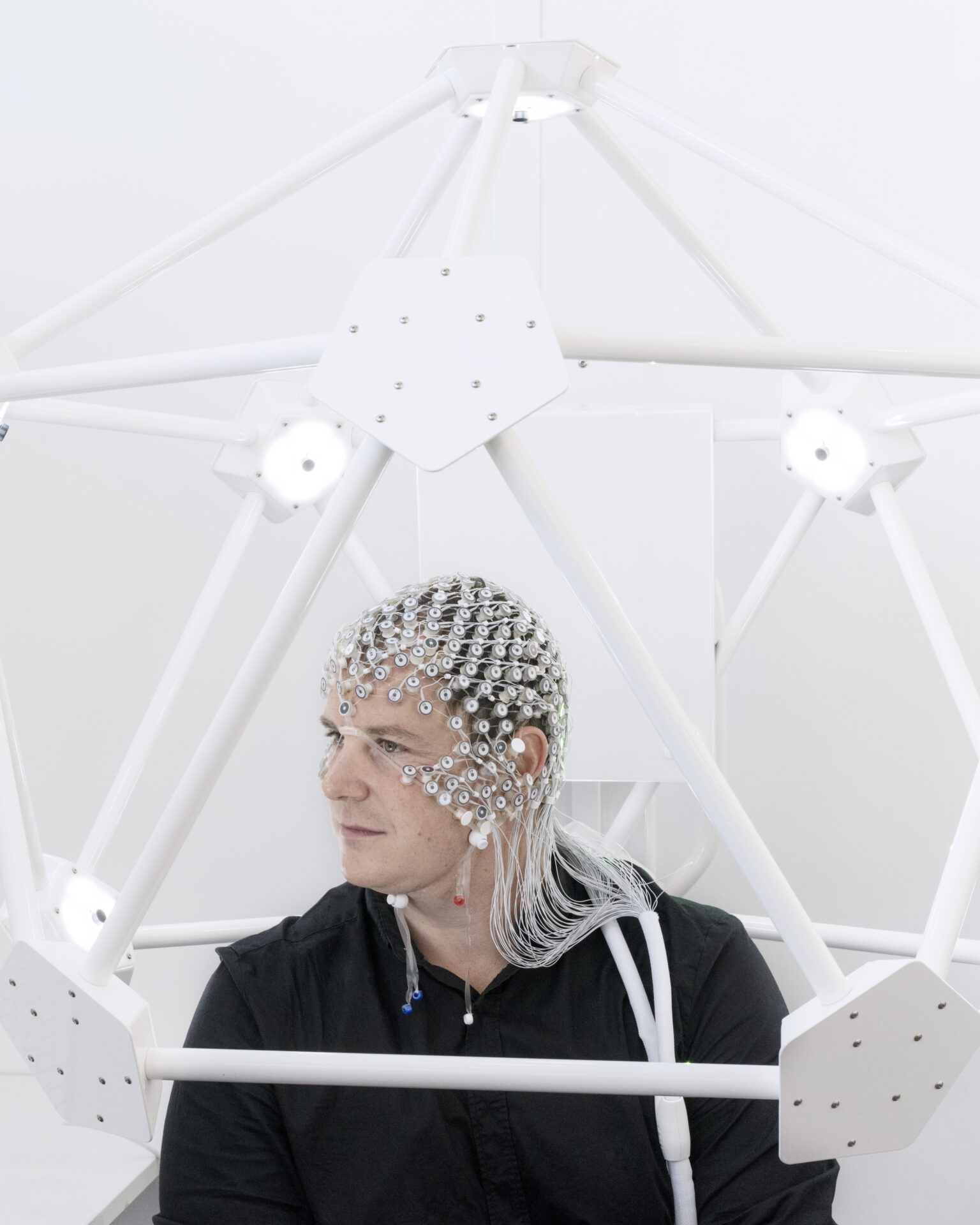
Is a photographer and filmmaker exploring solutions for the future, with a focus on the relationship between humans, science, technology, and the environment. He collaborates with scientists, journalists, and activists to deepen his research, which has been centered for over a decade on the climate crisis. He is a co-founder of a non-governmental organization that helps protect 600,000 hectares of Amazon rainforest. His work is regularly featured in major publications such as National Geographic, The New York Times Magazine, and TIME. Locatelli has exhibited internationally at venues including the Solomon R. Guggenheim Museum, Les Rencontres d’Arles, and the Shanghai Center of Photography. His work has earned several major awards, including the Leica Oskar Barnack Award and multiple World Press Photo prizes.
Charlotte Dumas
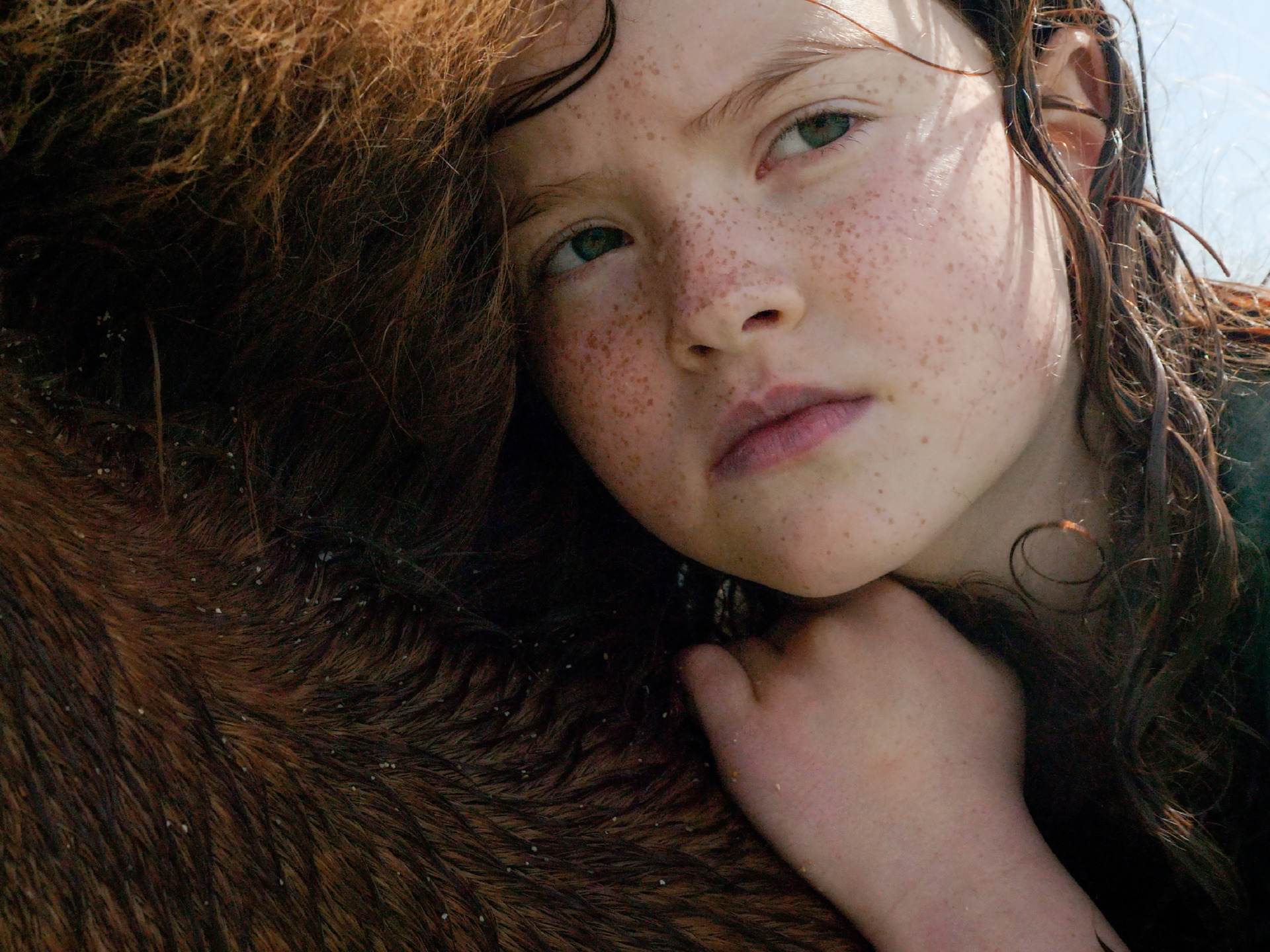
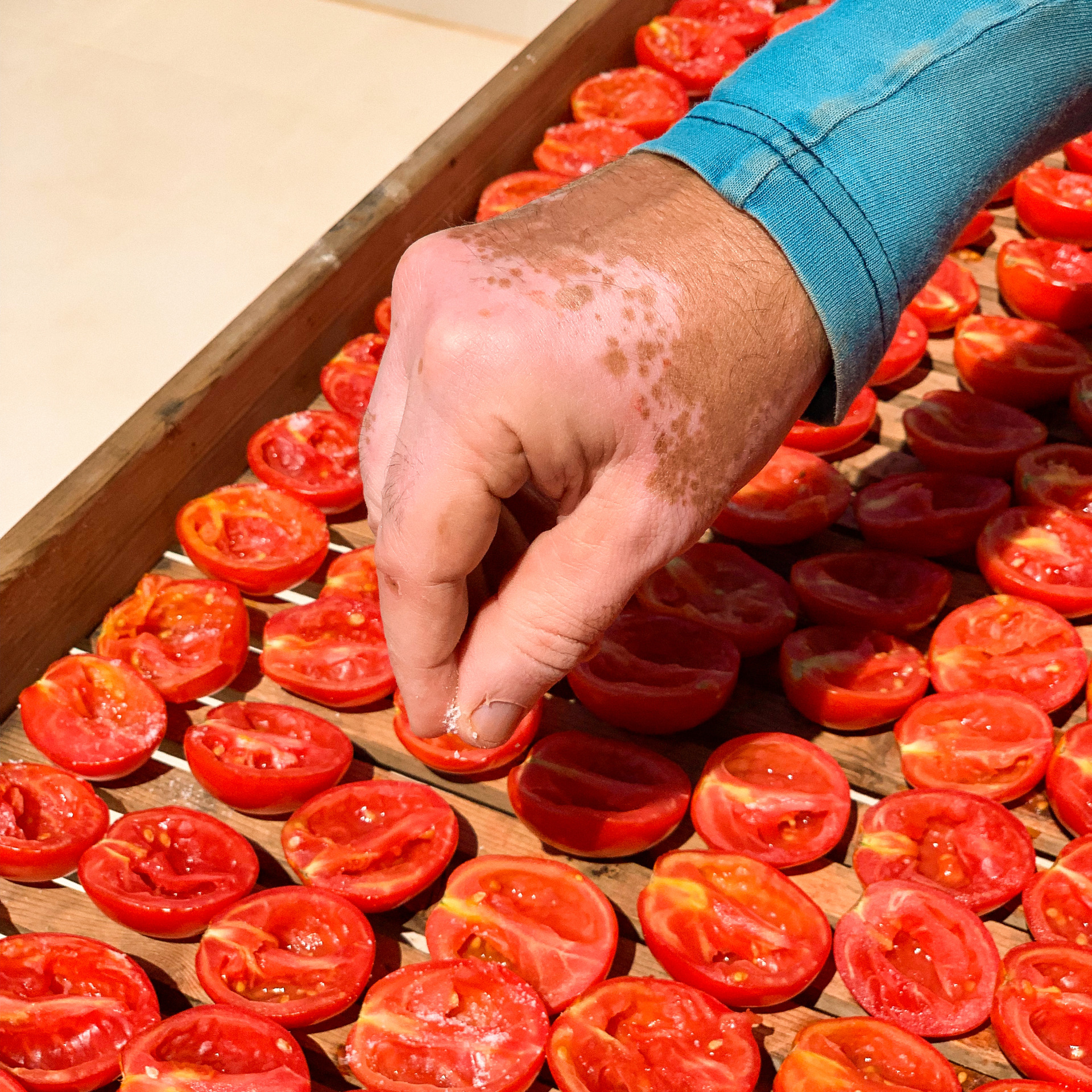
Born in the Netherlands in 1977, Charlotte Dumas is a photographer and video artist whose work investigates how we define the value of animals and ourselves as humans. She explores the contradiction between animals used as food resources and those given anthropomorphic roles. From Retrieved, about 9/11 rescue dogs, to Stay, on endangered Japanese horse breeds, her work delves deeply into human-animal relationships. Since 2012, she has incorporated video into her practice, starting with Anima, filmed at Arlington National Cemetery. Her short films include The Widest Prairies and a Japan-based trilogy: Shio, Yorishiro, and Ao. She has published over ten photo books.
He was born in Bari and lives in a small town called Sannicandro di Bari, just a few kilometers away. He has been taking photographs for over ten years and is self-taught, having never attended photography schools. Cinema has been an integral part of his journey; since childhood, he has watched countless films, many of them science fiction like Alien, Predator, Total Recall, 2001: A Space Odyssey, and many others. He started by posting daily everyday photographs on Instagram from 2012, using an iPhone. Over time, this activity evolved into a full-time career: he has been contacted by various magazines, including The New Yorker, The New York Times, The British Journal, as well as many brands that commissioned work from him. He has published three photography books, and his work is continuously evolving.
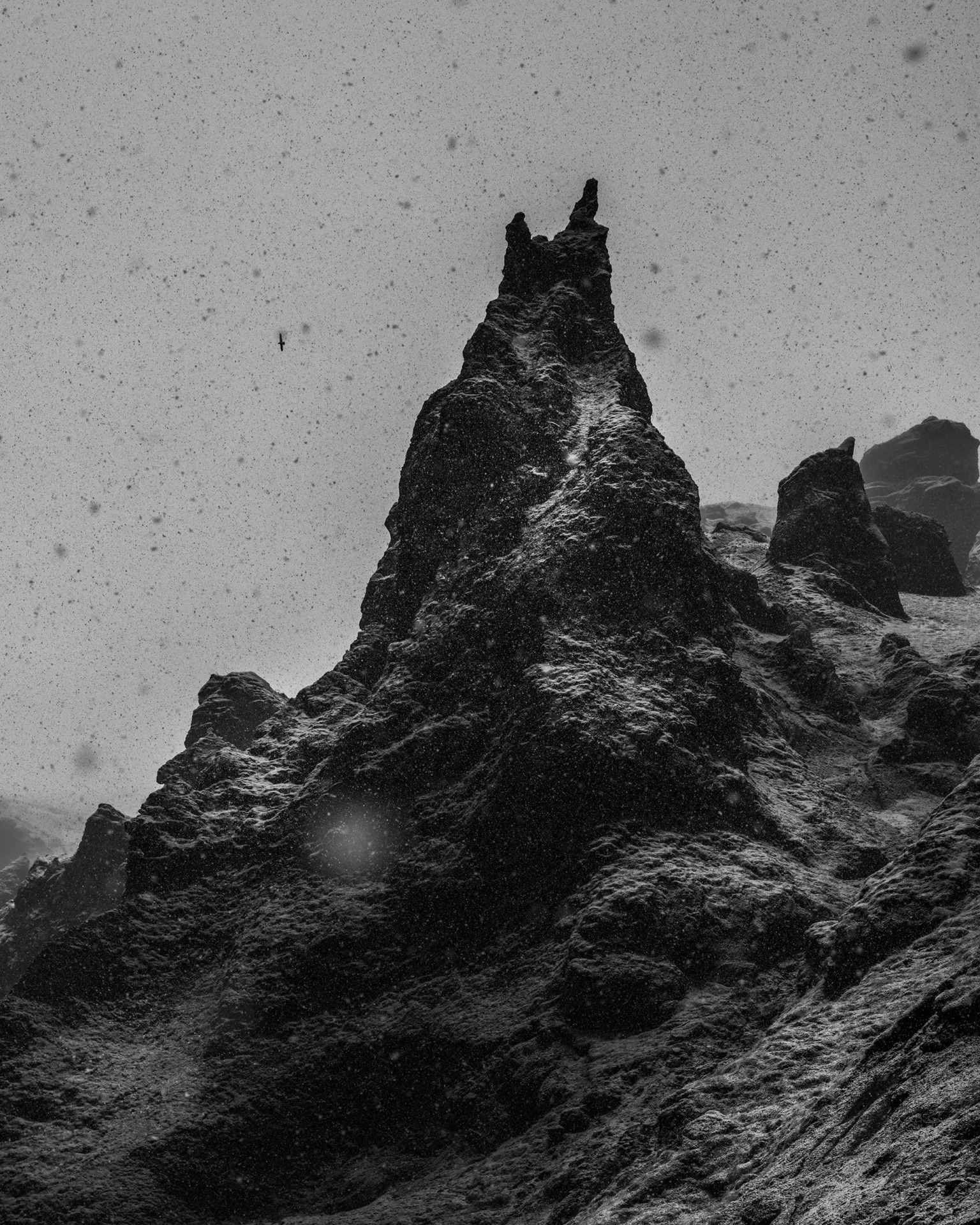
Born in 1981, is a Swiss-French photographer based in Lausanne. After studying philosophy, literature, and cinema, he trained in photography in Vevey. He has exhibited internationally and published six books. Winner of the HSBC Photography Award in 2009, he has shown work at the Musée de l’Elysée and the Rencontres d’Arles with the project H+. In 2022, he presented Vivants at the Pully Museum and Paris Photo, where he won the Ruinart Prize. He teaches photography at ECAL and is a founding member of the MAPS agency.
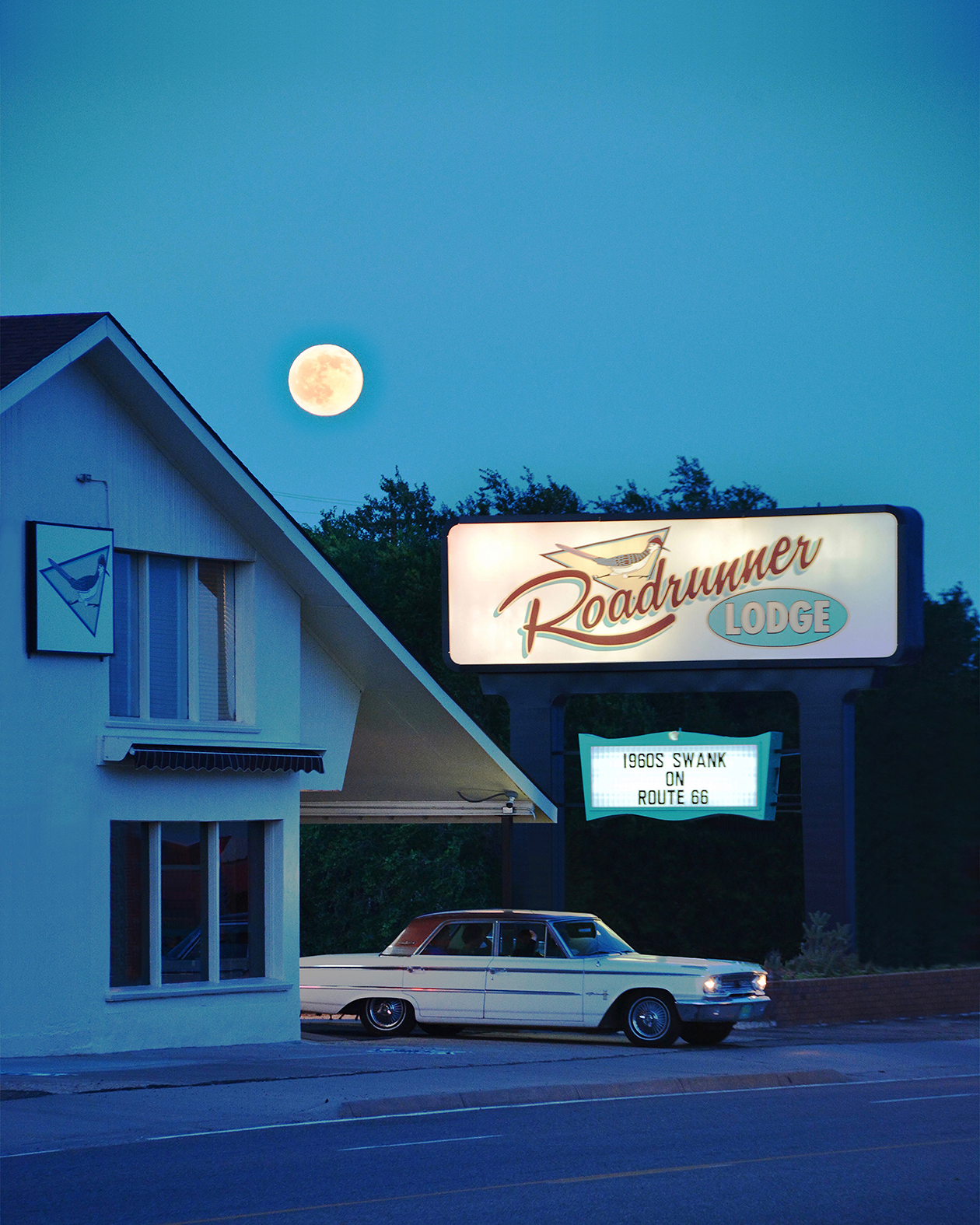
Is an interdisciplinary artist and director who works between San Francisco and Los Angeles, CA. Her early performative and kinetic work analyzes society’s expectations of women throughout the Western world, in particular how women are supposed to care about and preserve their looks. Her current digital photography work expands on the concept of appearance. Here the focus shifts to buildings and the built landscape, with particular attention to what remains of the American Southwest, where a fi ne façade becomes crucial to society’s very survival.
Is a Finnish artist based in London. Her work deals with the concepts of identity, faith and folklore as interpreted through photography and video art. Her work has participated in international exhibitions and in 2019 Lax was awarded the Female in Focus prize by the British Journal of Photography, and was a finalist for the BJP Portrait of Humanity Award for 2020 and the Photography Grant of the PHMuseum. She was selected among the Best New Talent of Photo London 2020 by the Guardian. In 2021, Maria Lax was awarded the Finnish Art Promotion Centre’s One Year Grant.
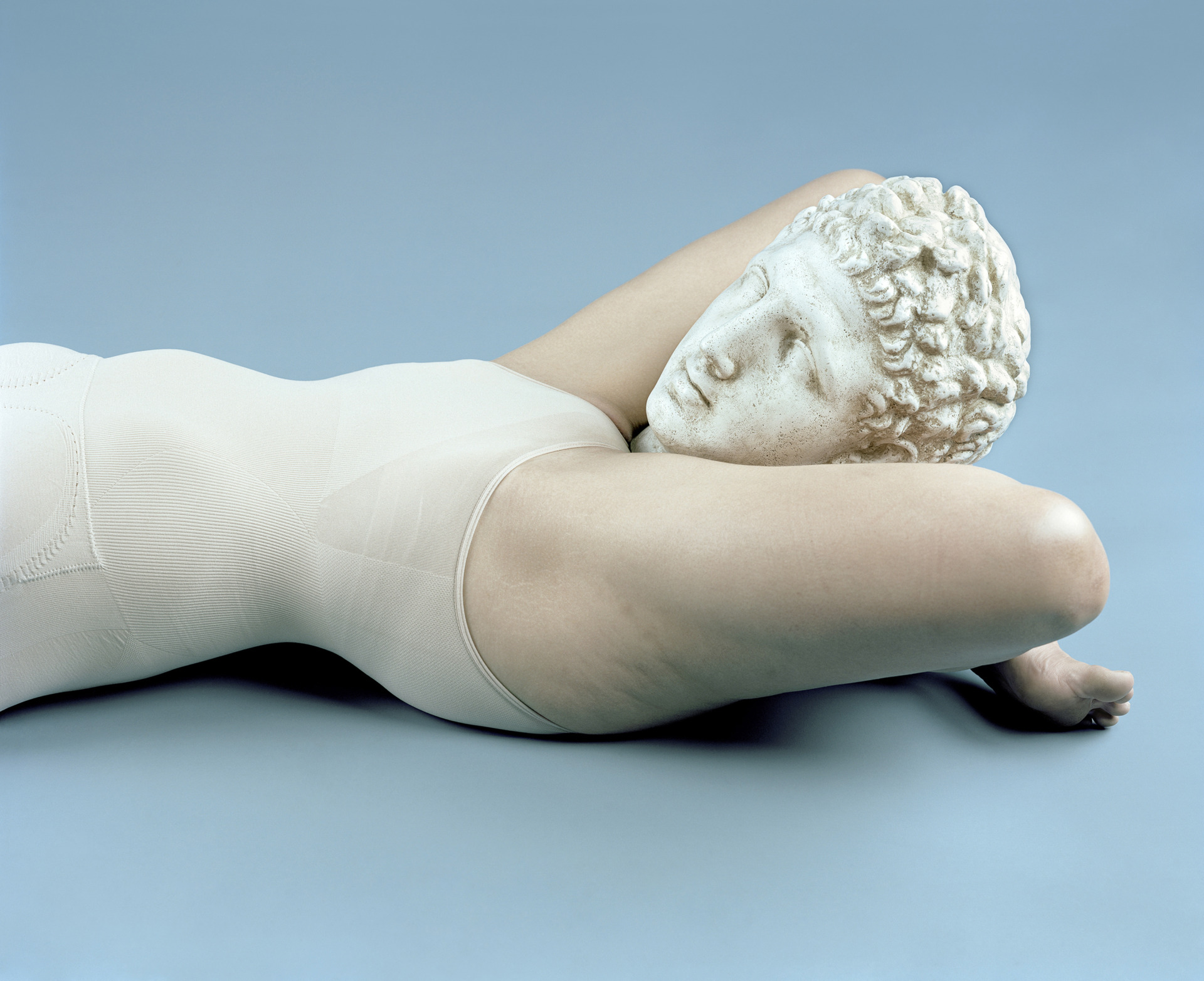
Is an Australian artist who has gained a reputation for her large scale photographs that explore representations of women and feminine iconography throughout art history and mythology. Her photographs are rich with mythological and historical symbolism and imbued with a sense of the surreal and uncanny. Symbolic animals and females often appear together in her work to represent psyche and identity. Her work is held in many public collections including National Gallery of Victoria, National Gallery of Australia, Art Gallery of New South Wales, Queensland Gallery of Modern Art, Art Gallery of Western Australia. In 2019 the National Gallery of Victoria held a major survey show of Hicks work, titled ‘Bleached Gothic’. This exhibition included fifty photographs and video works spanning the period 2003 to 2019. From June-September 2021 Hicks survey show ‘Gothique Blanc’ was held at the Australian Embassy, Paris, France displaying photographs spanning the period 2003 to 2019.
SuperNatural Open Walls
From September 7 to 14, 2023, Rifugio Digitale presents SuperNatural Open Walls, an event organized as part of the Estate Fiorentina 2023 program—promoted by the Municipality of Florence—and curated by Irene Alison and Paolo Cagnacci. The project was co-financed by the European Union – European Regional Development Fund, under the Metropolitan Cities Operational Programme 2014-2020, in collaboration with Forma Edizioni.
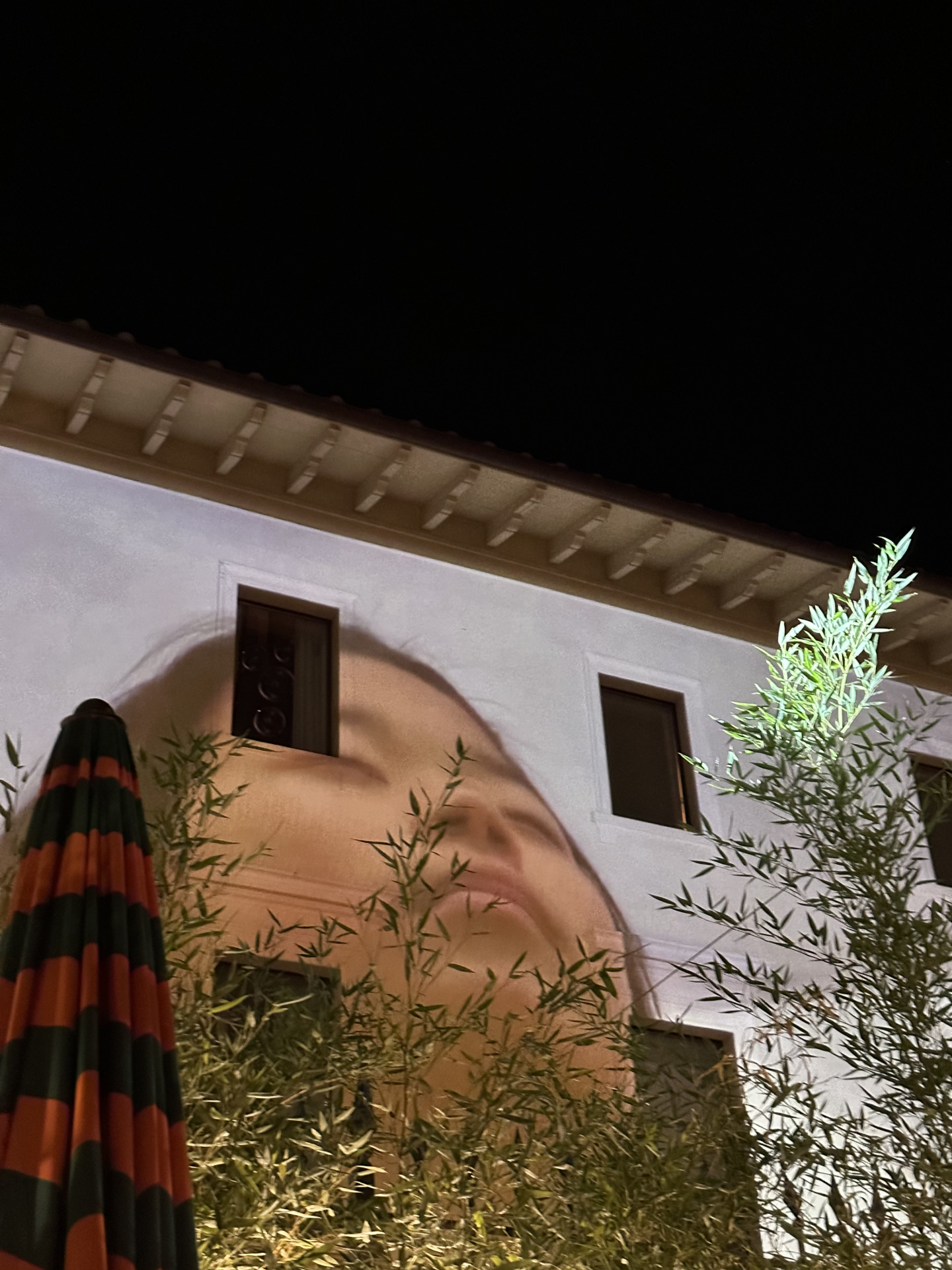
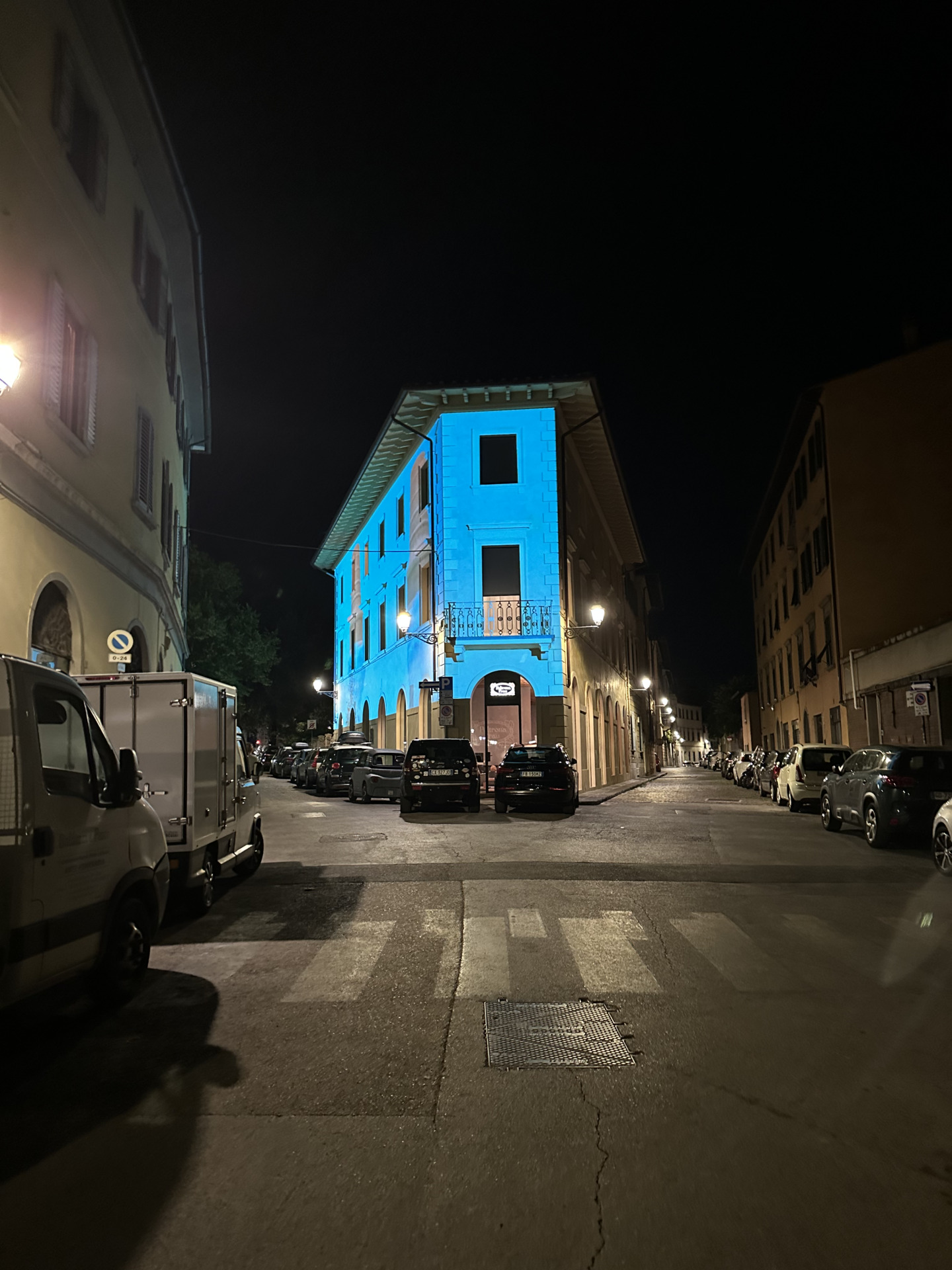
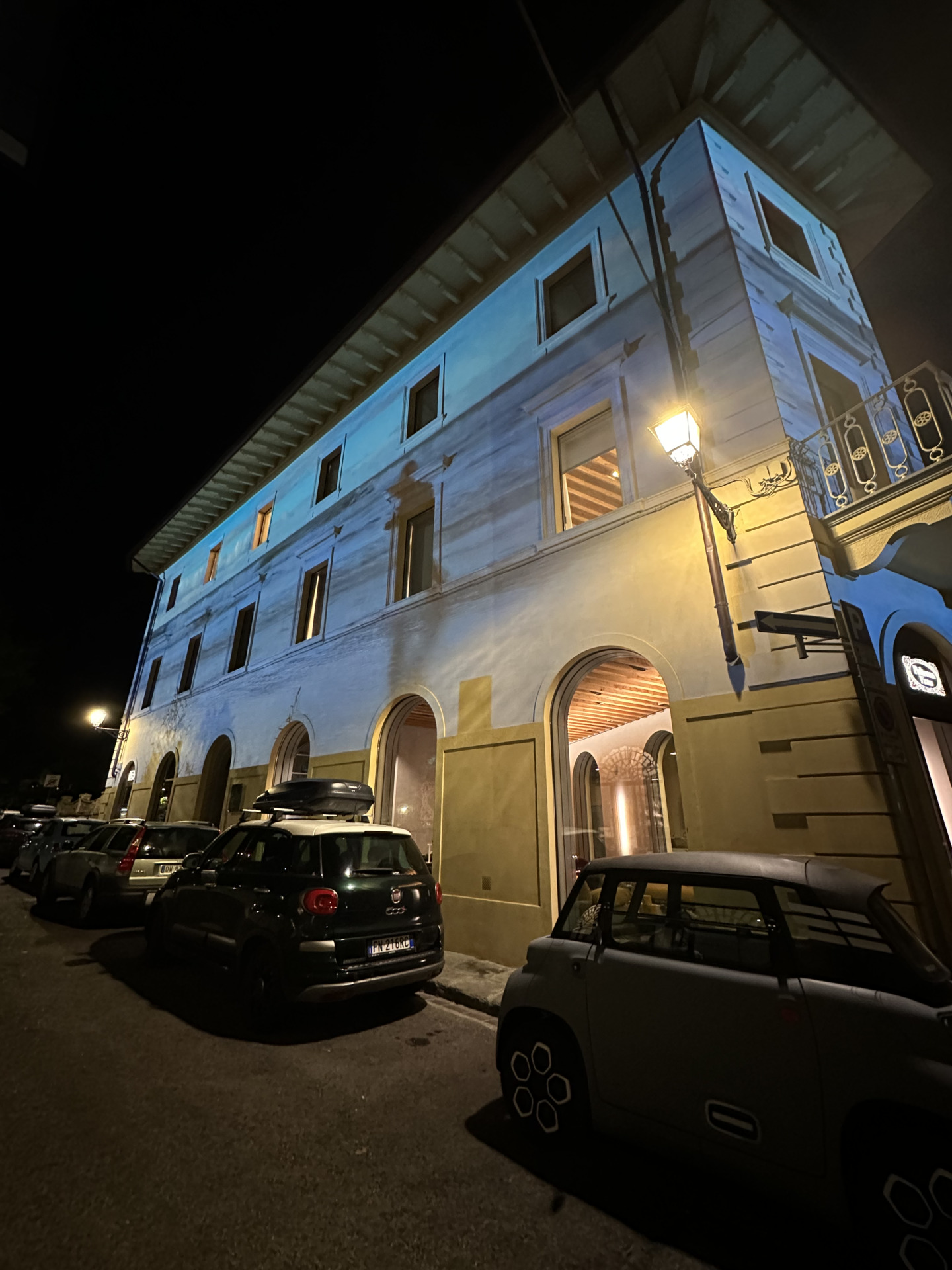
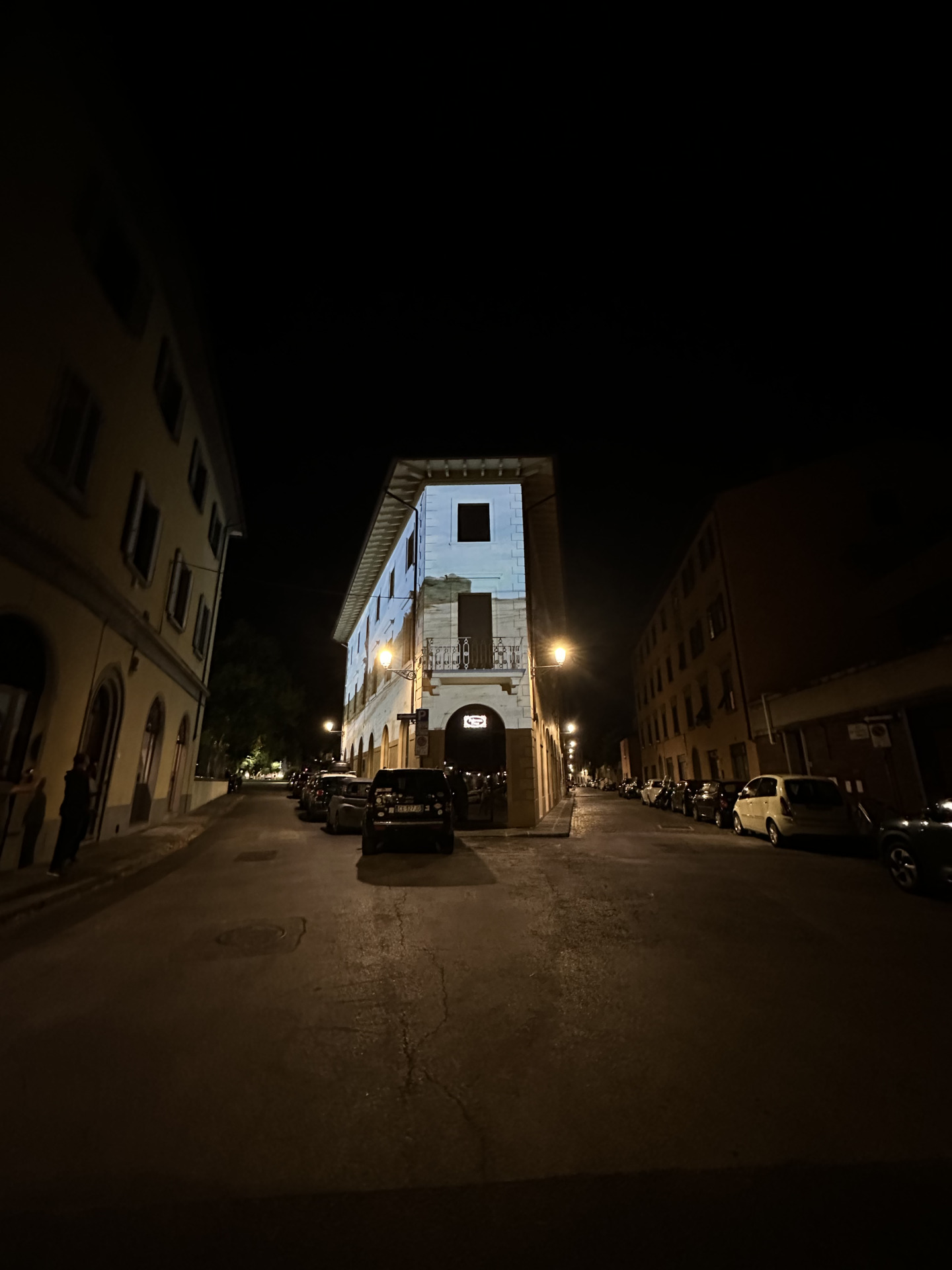
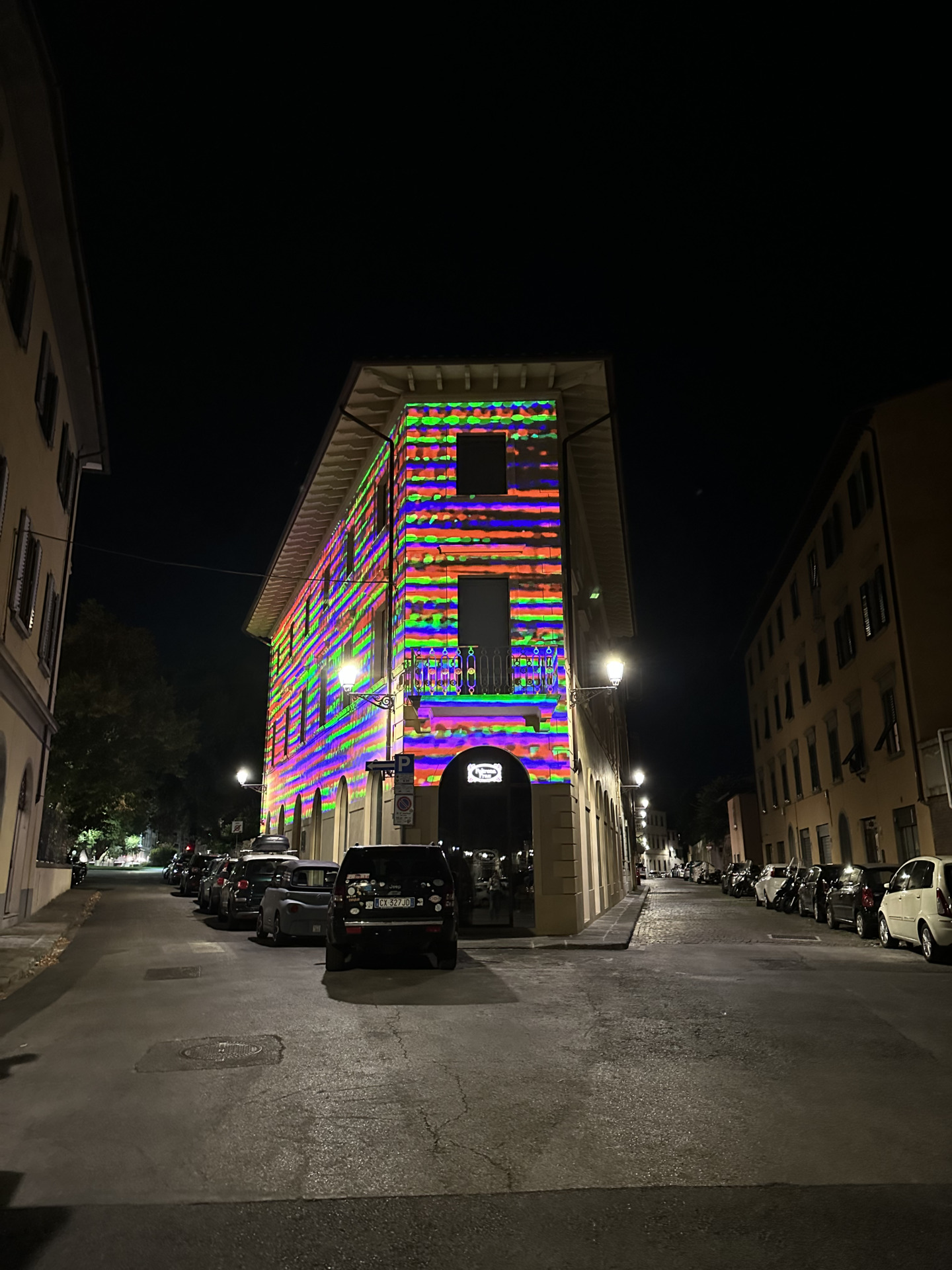
Rifugio Digitale aims to metaphorically open its walls to transform the neighborhood into an open-air gallery: projected onto the building walls of San Niccolò, the images of the artists featured in the cycle will engage in… a dialogue with the city’s architecture, opening up new horizons of awareness and discussion—both on contemporary visual language and the themes conveyed by their work. Facing an increasingly uncertain horizon marked by pandemics and the climate crisis, the theme of SuperNatural has become the starting point for a visual reflection that, through the work of the exhibited photographers, traverses contemporary life. It investigates both our relationship with space and the way we project ourselves into the future: from the human footprint on the landscape to the necessity of making sustainable choices for the planet; from the urge to return to our roots in an escape from the paradoxes of progress, to the most extreme frontiers of science and the dialogue between what is “natural” and what is “artificial.”